Operating · Guarulhos, Brazil ISO 9001:2015 Est. 1964
sapucaia WhatsApp 11 2603-6759 Request a quotation
Processes

Six generations of corrosion protection.

Each generation solved the problem of the one before and brought a new one. We apply them all — which is why we can lead the migration from one system to another without changing supplier. Every number below comes with the standard, the criterion and the source of the data.

New to the subject? Start with what electroplating is — what the current does, how it differs from hot-dip galvanizing and how the price is formed.

01 Origin

Electrodeposited zinc

The foundation of industrial electroplating.

Automotive · two-wheelers · general market

48–192 h to red rust
  • ASTM B633
  • ISO 2081:2008, Table 1
  • Thickness of 5 to 25 µm

Low-cost sacrificial protection. It is the starting point of everything that came after.

See the process →

02 1926

Cadmium

High corrosion resistance. Regulated, not surpassed.

Aerospace · defense · nuclear · offshore

1,000 h to red rust ISO/IEC 17025 accredited laboratory
  • ASTM B766
  • AMS-QQ-P-416
  • ASTM B766 class 12 type II — yellow and olive drab
  • ASTM B117 report: 1,000 h without red rust, tested by an ISO/IEC 17025 accredited laboratory
  • AMS-QQ-P-416 is an aerospace standard: 96 h without white corrosion
  • 7-system test: intact at 3,395 h

High-strength sacrificial protection, galvanic compatibility with aluminum and torque-tension behavior on threads. Restricted in the EU since 1991 — with the exemption kept for offshore, nuclear and aerospace.

See the process →

03 1993

Zinc-nickel · Class 1

The first standardized generation.

Oil and gas · heavy industrial

720 h to red rust
  • ASTM B841, Table X1.1
  • Grade 8 · Type B · 5 to 12% nickel

Hexavalent chromium passivation. It was a leap of an order of magnitude over zinc.

See the process →

04 Recent past

Zinc-nickel + PTFE

The chemical barrier over galvanic protection.

Oil and gas · high-pressure fasteners

over 3,500 h steel, to red rust independent external laboratory
  • PETROBRAS I-ET-3010.00-1200-251-P4X-001
  • Aramco 09-SAMSS-107
  • ExxonMobil GP 56-02-13
  • Shell DEP 30.48.00.32

Zinc-nickel provides the galvanic protection; PTFE adds what the metal alone does not have — chemical resistance to the medium and predictable friction, which turns assembly torque into clamp load and allows the joint to be taken apart years later.

See the process →

05 2018

Zinc-nickel Class 2 · trivalent

Today’s standard, without hexavalent chromium.

Oil and gas · aerospace · automotive

≥ 1,000 h to red rust
  • MIL-PRF-32647
  • ASTM B841 Cl. 2 Tipo AN
  • ISO 4042
  • 12 to 16% nickel
  • Trivalent passivation (Cr³⁺)

The migration was forced by law: hexavalent chromium was eliminated from European automotive on 1 July 2007.

See the process →

06 2025 onward Flagship

NanoGalv® · nanostructured zinc-nickel

The coating of the future, applied here.

Supersedes every previous generation

over 10,000 h from 10 µm steel, to red rust, per ASTM B117 manufacturer data
  • ASTM B1025-25
  • ASTM B841 Cl. 2 Tipo AN
  • ASTM F1941 Fe/Zn-Ni 8BN
  • API 20E
  • Exclusive licence in Brazil
  • 5 µm over 4,000 h · 8 µm over 7,300 h

Nanometer-scale layers alternating zinc and nickel. A defect makes corrosion travel between the layers instead of going down to the steel.

See the process →
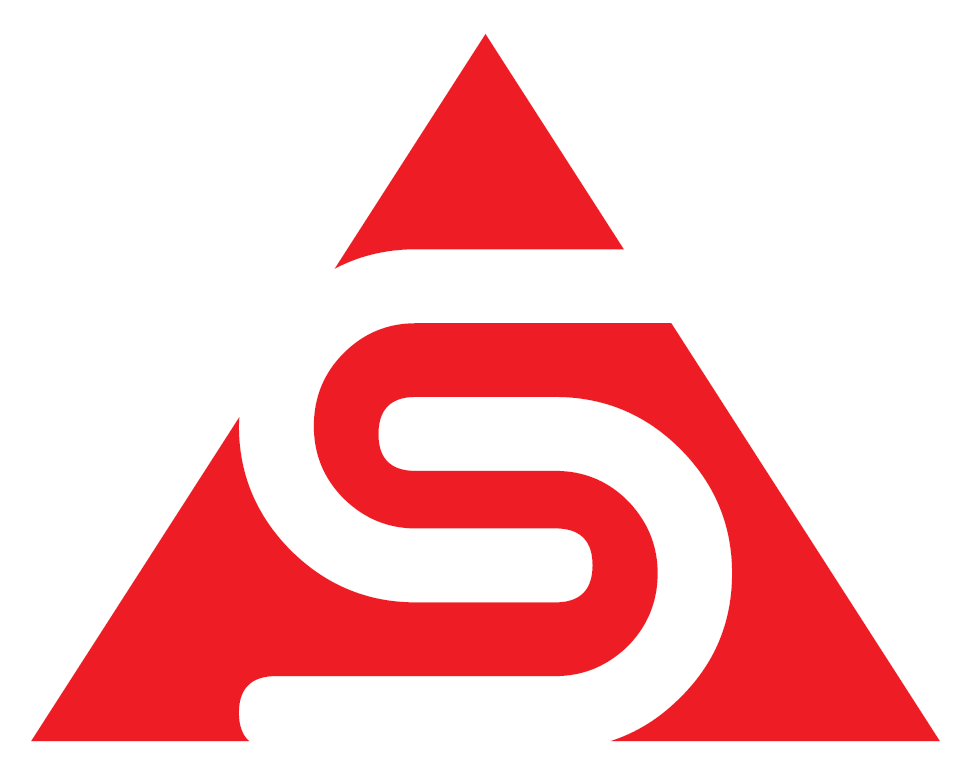
Studs and nuts with a satin-matte blue coating, two nuts in red, and a set still inside its green protective mesh, on a white background
Xylan® from PPG: the color identifies the system applied, on the customer’s shop floor
Combined systems

Metallic below, organic on top.

The metallic coating protects by sacrifice; the organic one forms a barrier and controls friction. Together, performance does not add up — it multiplies.

Salt-spray performance by system, to red rust. Each row declares the source of the data: our own chamber, an external laboratory or the technology manufacturer.
Metallic base Organic layer Salt spray Remarks
NanoGalv® Xylan® High resistance The top of the portfolio’s protection: to the nanolaminated barrier, Xylan® adds chemical resistance to the medium and predictable friction in the joint. For your asset, our sales team sizes the system and states the applicable test.
Zinc-nickel PTFE Sapucaia over 3,500 h independent external laboratory The best-selling oil and gas system in the line. Tested at an independent external laboratory contracted by Sapucaia.
Zinc-nickel Xylan® 1070 · solvent-based · 16 µm over 3,500 h Sapucaia technical data Working range from −195 °C to 260 °C — the widest in the line. More than three and a half times zinc-nickel alone, with friction control added.
Zinc-nickel Xylan® 1424 · water-based · 16 µm over 3,500 h performance specified by Sapucaia Working range from −20 °C to 180 °C. Water-based, for process components where the chemical inertness of the fluoropolymer is the requirement.

Sapucaia operates its own calibrated salt-spray chamber, to ASTM B117 and NBR 8094. Part of the published figures comes from an independent external laboratory or from the technology manufacturer — and each one states which, on its own table row.

Specifications met

The standards your end customer requires.

We work against the OEM’s specification, not a generic table. Tell us the standard and we point you to the system.

Source Specification Subject
Petrobras I-ET-3010.00-1200-251-P4X-001 Fastener coating
Petrobras N-215 Zn, Zn-Ni and PTFE
Saudi Aramco 09-SAMSS-107 Fastener coating
ExxonMobil GP 56-02-13 Fastener coating
Shell DEP 30.48.00.32 Fastener coating
API 20E / 20F Fasteners for oil & gas and subsea
API Specification 6A Oven calibration
Technical questions

What specifiers usually ask.

Which coating lasts longest in salt spray?

In our line, NanoGalv® (nanostructured zinc-nickel, ASTM B1025-25) passes 10,000 hours from 10 µm, in an ASTM B117 test by Modumetal, to red rust — manufacturer data. Next come the combined zinc-nickel systems, on a base of 8 to 15 µm: over 3,500 hours, both with PTFE Sapucaia — in an external laboratory test — and with Xylan® 1070 and Xylan® 1424. Then class 2 trivalent zinc-nickel, at ≥ 1,000 hours; cadmium, at 1,000 hours in an ISO/IEC 17025 accredited test; class 1 zinc-nickel, at 720 hours; and electrodeposited zinc, 48 to 192 hours under ASTM B633 and ISO 2081.

Has cadmium been banned?

Not for these applications. Cadmium has been restricted in the European Union since 1991, but with an exemption kept for offshore, nuclear and aerospace. It is regulated, not superseded: in galvanic compatibility with aluminum and in torque-tension on threads it is still the reference. Where the standard allows a substitute, the natural path is zinc-nickel or NanoGalv®.

What does PTFE add to a zinc-nickel system?

Chemical resistance to the medium and predictable friction at tightening — which is why the OEM specifications that govern fluoropolymer on fasteners (Petrobras I-ET-3010.00-1200-251-P4X-001, Aramco 09-SAMSS-107, ExxonMobil GP 56-02-13, Shell DEP 30.48.00.32) deal with friction and torque. What sustains corrosion protection is the metallic base, because tightening on installation marks the organic layer: over zinc-nickel, the system stays above 3,500 hours with PTFE Sapucaia and with Xylan® — the number belongs to the complete system.

Do you run salt-spray tests in-house?

Yes, in our own calibrated chamber, to ASTM B117 and NBR 8094. Some of the numbers published come from an external laboratory or from the technology manufacturer — and the site always says which is which, number by number.

WhatsApp · quick quotation