
Zinc and manganese phosphate coating
Zinc and manganese phosphating, as an adhesion pre-treatment for paint and as a break-in and friction-reducing layer.
Zinc phosphate prepares the surface for organic coating; manganese phosphate is used where break-in and wear resistance are sought on mechanical components.
Phosphate is not a layer deposited on the part: it is a conversion coating. A phosphoric acid solution reacts chemically with the surface and converts it into a layer of crystalline phosphates, anchored in the metal itself. That explains the two properties that matter — adhesion is mechanical and deep, and the surface is porous just enough to hold oil or paint.
Zinc phosphate is the classic paint pre-treatment: the fine crystal increases the contact area and the organic system holds far better than on bare steel. It is also what improves the absorption of protective oil, drying or not, on a part that will be stored or exposed in service.
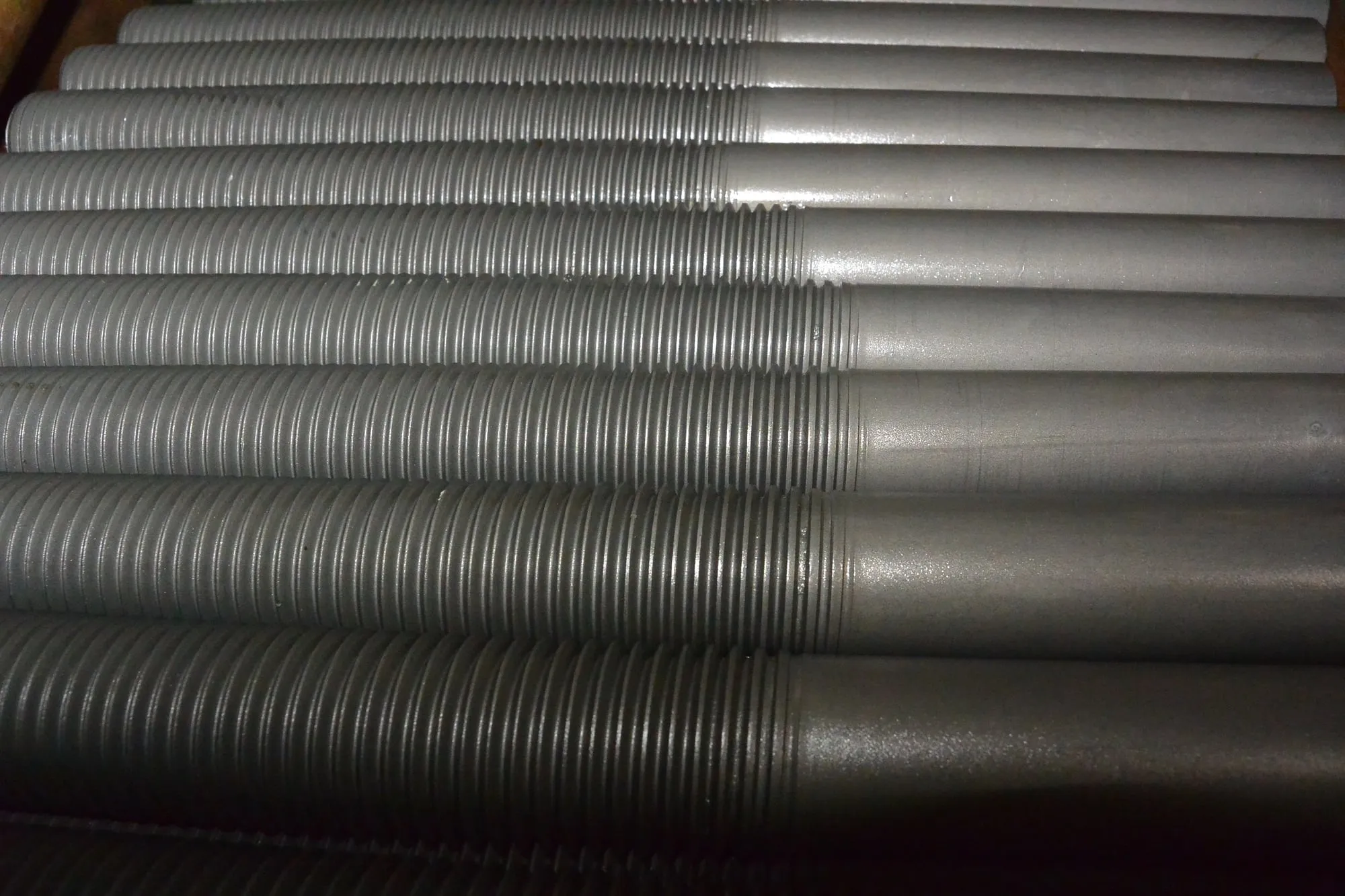
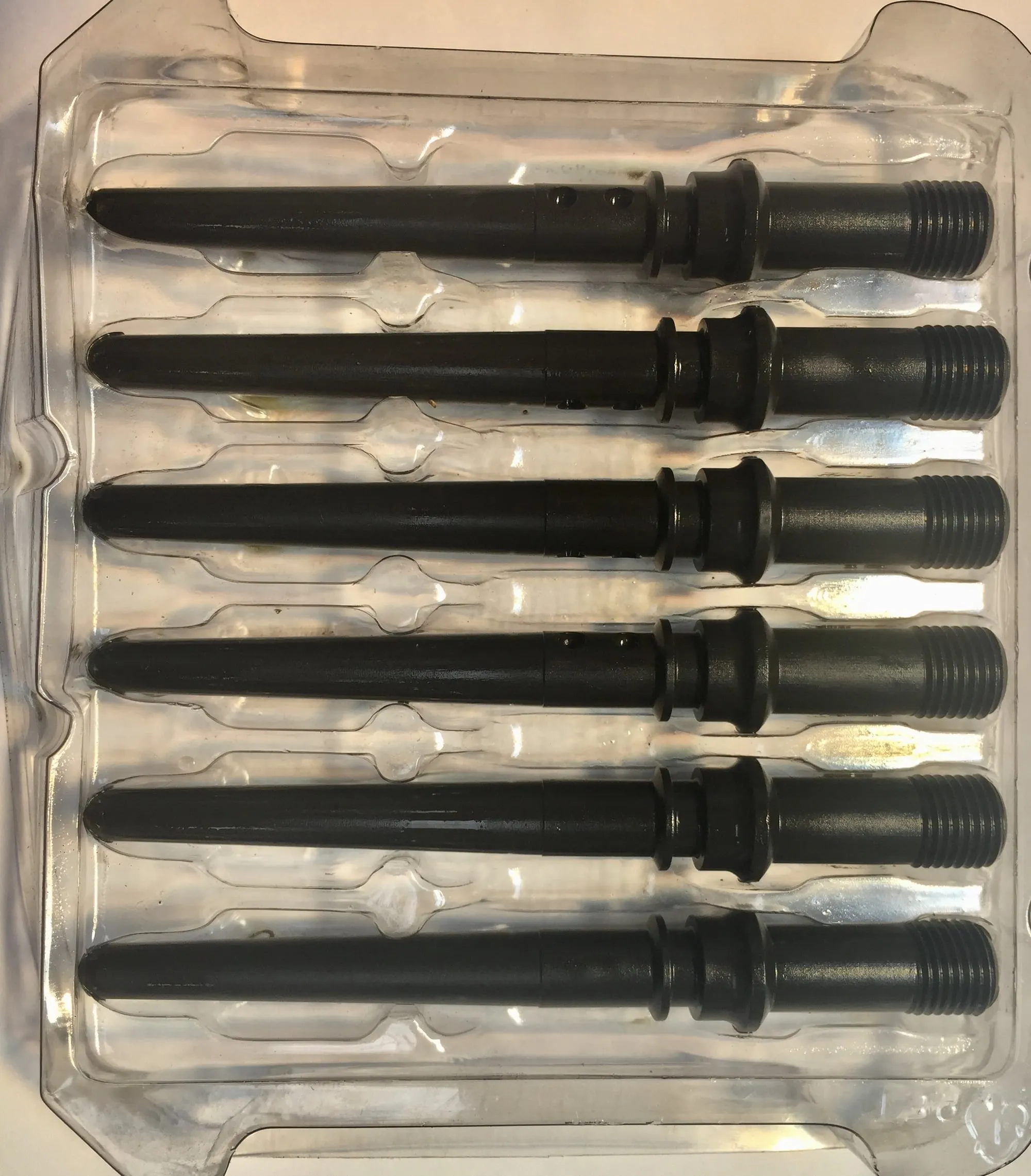
Manganese phosphate has a coarser crystal and a dark color, and works with the lubricant: low open porosity, high chemical insulation, and break-in between surfaces that slide against each other during running-in. It also serves as an electrical insulator, because it prevents current transmission between parts.
Every phosphating depends on the cleaning that comes before. Degreasing and pickling remove machining oil and oxide — without that the crystal does not nucleate evenly, and the layer comes out blotchy. That same step makes it possible to recover an older part, already in service, returning the surface to the state where it accepts treatment.
Note: The reference layer and the standard met are confirmed by our sales team for your part.
Technical data
- Types
- Zinc phosphate · manganese phosphate
The applications that come here.
Base for painting
Zinc phosphate under an organic system: it is what makes the paint adhere and not peel at the first stone chip.
Shaft, bearing, piston and ring
Components that work in an engine block, where manganese phosphate beds in the surface and holds the lubricant during running-in.
Long parts
Manganese phosphate on a heavy shaft — the line handles parts over two meters in length.
Oil protection
Zinc phosphate with oiling, for storage and transport of a machined part that is still to be assembled.
Variations of this line.
What specifiers usually ask.
What is the difference between zinc phosphate and manganese phosphate?
The crystal and the function. Zinc phosphate has a fine crystal and light color, and serves as an adhesion base for paint and as a retainer of protective oil. Manganese has a coarse crystal and dark color, and serves for break-in and wear resistance on components that slide under load.
Does phosphate protect against corrosion on its own?
Very little: the layer alone resists about 24 hours in salt spray. Phosphate is not an anticorrosion coating — it is a pre-treatment. Protection comes from what is applied over it, oil or paint, and it is the phosphate layer that makes that system last.
Why does cleaning before phosphating matter so much?
Because phosphate is a conversion coating: it reacts with the metal, and only reacts where the metal is exposed. Machining oil or remaining oxide leave a region with no nucleation, and the layer comes out uneven. Degreasing and pickling are part of the process, not optional preparation.