
Subsea fastener coating
The top of the demand scale: a fastener that must come apart after years underwater, in an environment with H₂S and no access for corrective maintenance.
In subsea there is no cheap maintenance. The coating is what decides whether the joint opens on the first torque or turns into a cutting operation.
Subsea reverses the arithmetic that holds onshore. The coating is the cheapest fraction of the assembly, and it decides whether the joint opens on the first torque or becomes a cutting operation with a vessel mobilized. No saving on the bath survives a single day of campaign.
That is why the specification asks for both things at once: corrosion protection with margin over the asset’s horizon, and predictable removal behavior years later. It is what makes the system — metallic base plus fluoropolymer layer — the standard answer instead of a single bath.
Fastener qualification follows API 20E and 20F, and the H₂S environment brings NACE MR0175 into the choice of base material. The coating does not solve stress cracking in a sour environment: that is a material decision, and surface treatment comes in after it, not in place of it.
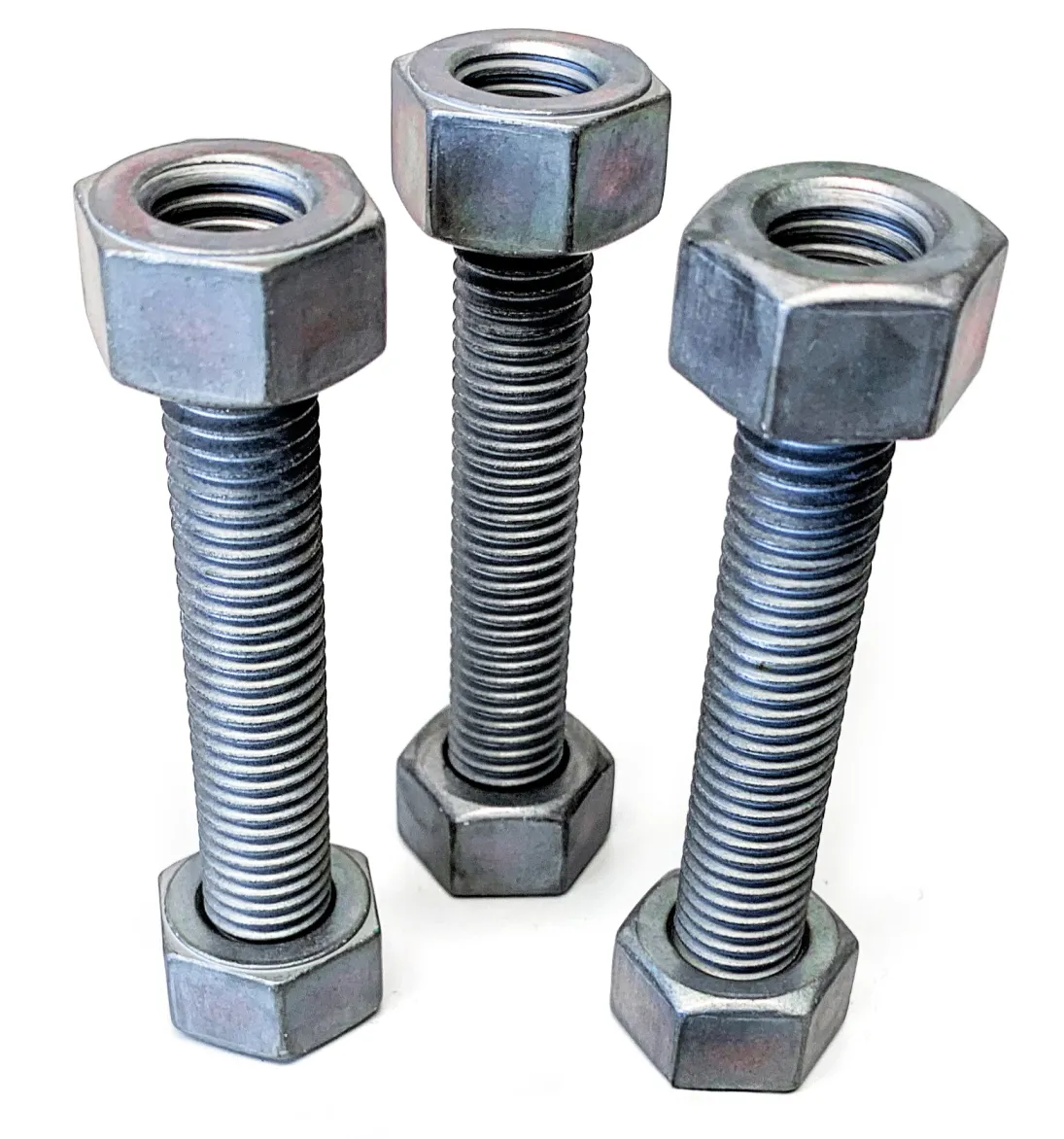
What we apply in this sector.
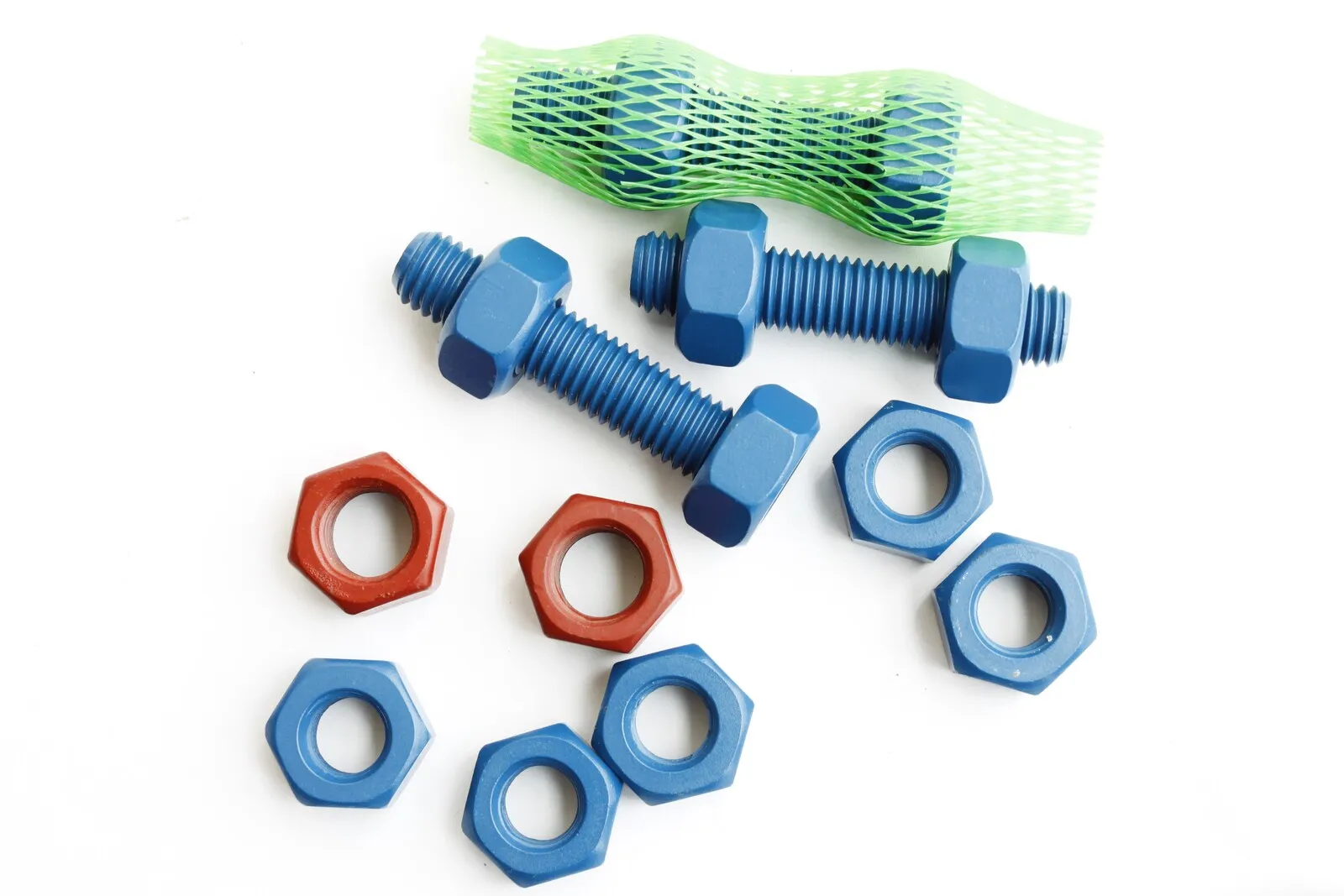
Zinc-nickel with PTFE
ASTM B841 class 2 with a fluoropolymer finish: a corrosion barrier and a controlled friction coefficient, for predictable preload on the fastener.
NanoGalv®
Nanostructured zinc-nickel to ASTM B1025-25, which passes 10,000 hours of salt spray to red rust at 10 µm in Modumetal’s ASTM B117 test.
Xylan®
Fluoropolymer coating from the PPG line, applied by spray. Xylan 1070 has a 15 to 25 µm layer and a dynamic friction of 0.047 in ASTM G99.
Molybdenum disulfide (MoS₂)
Resin-bonded molybdenum disulfide solid lubricant, applied by spray on fasteners and threaded components to control tightening friction.
Cadmium
Electrolytic cadmium plating to ASTM B766 class 12 type II, with 1,000 hours of salt spray in an ASTM B117 report from an ISO/IEC 17025 accredited test.
Hydrogen embrittlement relief
Hydrogen-relief heat treatment between 150 °C and 250 °C, immediately after galvanic coating, in ovens calibrated to API 6A.
We work against your end customer’s specification.
Tell us the standard and we recommend the system.
| Source | Specification | Subject |
|---|---|---|
| Petrobras | I-ET-3010.00-1200-251-P4X-001 | Fastener coating |
| Petrobras | N-215 | Zn, Zn-Ni and PTFE |
| Saudi Aramco | 09-SAMSS-107 | Fastener coating |
| ExxonMobil | GP 56-02-13 | Fastener coating |
| Shell | DEP 30.48.00.32 | Fastener coating |
| API | 20E / 20F | Fasteners for oil & gas and subsea |
| API | Specification 6A | Oven calibration |
What specifiers usually ask.
What changes between surface and subsea oil & gas?
The cost of access. On the surface, replacing a fastener is routine maintenance; in subsea, it is a campaign with a vessel. That pushes the specification to the top of the protection ladder and adds a requirement the surface does not have: the assembly must come apart years later, without seizing.
Does the coating protect against H₂S?
It is not what solves it. An H₂S environment requires a base material suited to NACE MR0175 / ISO 15156, because the mechanism there is stress cracking, not surface corrosion. The coating comes after that decision, for corrosion protection and friction control.